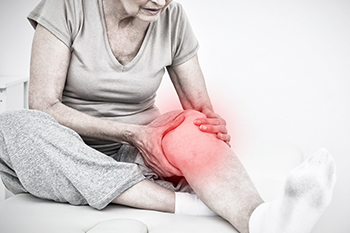
Ever stand up after sitting for a while and feel like your joints need a few minutes to loosen up? Joint stiffness can affect the hips, knees, shoulders, neck, and other areas. Sometimes it's related to inactivity or muscle tightness; other times it comes from arthritis, inflammation, or an old injury. The cause matters because stiffness from inactivity is different from stiffness caused by inflammation.
Common Symptoms of Joint Stiffness
Stiffness often stands out after sleep, sitting, or a stretch of inactivity. Whether it improves with movement can provide a clue to the cause. You may notice:
- Morning stiffness: Joints may take time to loosen after sleep.
- Limited movement: Bending or reaching may feel restricted.
- Aching: Stiff joints may also feel sore.
- Tenderness: Pressure around a joint may cause discomfort.
- Swelling: Some underlying conditions cause visible puffiness.
- Difficulty with activity: Stairs, walking, or reaching may feel harder.
Managing Joint Stiffness and Improving Comfort
Moving regularly, doing gentle stretches, and strengthening surrounding muscles may help with everyday stiffness. A joint that is hot, severely swollen, or accompanied by fever needs medical assessment.
For mechanical movement restrictions, gentle joint mobilization and guided exercises may help make daily activities easier. Treatment should fit the cause rather than just focus on loosening the joint. When stiffness persists despite getting up and moving, an examination may help identify what is limiting your range of motion.
