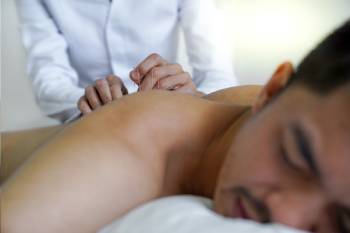
Dry needling is a contemporary Western adaptation of traditional acupuncture, designed specifically to address muscular discomfort. This emerging physical therapy method utilizes thin needles to release muscular tension knots. Though practitioners have employed this approach since the 1940s, widespread therapeutic adoption has only occurred recently. The technique applies thin needles to encourage injured soft tissue recovery by releasing accumulated strain.
Our therapeutic success is gauged through individual patient quality-of-life improvements rather than treatment volume alone.
What Are the Benefits of Dry Needling?
Dry needling functions as an instrument-assisted intervention targeting chronic pain from prolonged muscular injuries. The practice addresses muscle tightness and discomfort by inserting needles directly into pressure points to discharge surrounding muscular strain.
Benefits include:
- Relax Tight Muscles – Needles discharge tension, inflammation, chemical buildup, and pressure causing discomfort. Results improve mobility range and provide immediate pain relief.
- Improve Movement – By reducing pain, the technique enhances overall functional capacity, eliminating persistent discomfort sensations.
- Improve Blood Flow – The approach releases tension knots and alleviates muscular pain or involuntary contractions.
We address pain and functional limitations through trigger point targeting. We believe this intervention substantially improves life quality by minimizing pain and increasing movement capability.
What Are Common Conditions Treated by Dry Needling?
Any persistent muscular stiffness or aching producing chronic pain responds to dry needling treatment. The therapy applies to large muscle groups like quadriceps or glutes, as well as smaller spinal and cervical muscles.
Recovery pathways incorporate varied techniques enabling fuller living experiences.
Common Questions
What is dry needling?
Dry needling is a therapeutic technique conducted by certified healthcare practitioners using thin, solid filiform needles inserted into specific muscle tissue locations (trigger points or myofascial trigger points) to reduce pain and enhance movement. The designation “dry” indicates no medication or liquid injection occurs through the needle.
How is dry needling different from acupuncture?
Despite employing comparable needles, these practices differ fundamentally in theoretical foundation and methodology. Dry needling derives from Western medical science, concentrating on releasing muscle tension knots addressing musculoskeletal discomfort. Acupuncture is based on traditional Chinese medicine theory, working through energy channels termed meridians. Dry needling practitioners typically include physical therapists, chiropractors, or physicians holding specialized credentials, whereas licensed acupuncturists perform acupuncture exclusively.
What conditions can dry needling treat?
Common treatable conditions encompass cervical and lumbar pain, shoulder impingement and rotator cuff dysfunction, tension-type and migrainous headaches, knee discomfort and iliotibial band dysfunction, plantar fasciitis, lateral and medial epicondylitis, hip discomfort, sciatic nerve irritation, athletic injuries, and generalized muscular tightness or involuntary contractions. Integration within comprehensive rehabilitation programming proves most effective.
Does dry needling hurt?
Patients typically experience minimal discomfort during needle insertion. Upon reaching trigger points, brief twitch or cramping sensations may occur—a “local twitch response” indicating therapeutic efficacy. Treated area soreness lasting 24–48 hours may follow treatment, resembling post-exercise muscle soreness.
Is dry needling safe?
Performed by qualified, licensed professionals, dry needling demonstrates general safety with rare serious complications. Minor temporary effects may include soreness, bruising, or minimal bleeding at insertion sites. Practitioners maintain rigorous hygiene standards utilizing single-use sterile needles minimizing infection risk.
How long does a dry needling session last?
Standard sessions span 20–40 minutes depending on the number of areas treated.
