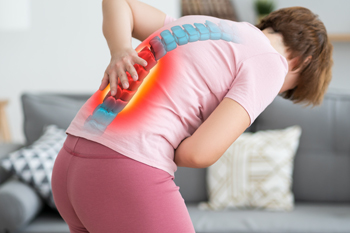
A herniated disc happens when the soft center of a spinal disc pushes through a weakened spot in its outer layer. The disc may irritate a nearby nerve, although some people have a herniation without noticing any symptoms. These changes most often affect the neck or lower back. Not every disc herniation causes pain, and symptoms depend on whether a nerve is irritated.
Common Symptoms of Herniated Discs
A herniated disc can irritate spinal nerves, but some people have no noticeable symptoms. When problems do occur, their pattern depends on the affected level. Signs include:
- Localized spine pain: The neck or lower back may feel sore.
- Pain down an arm or leg: Irritated nerves may cause traveling discomfort.
- Numbness: Certain skin areas can lose sensation.
- Tingling: Pins and needles may follow a nerve pathway.
- Muscle weakness: Grip or leg strength may be affected.
- Pain with movement: Bending or lifting may make symptoms worse.
Managing Herniated Discs and Improving Comfort
Many people with herniated discs can start with non-surgical care, including movement adjustments and individualized exercises. Seek urgent care for new bladder or bowel problems or numbness around the groin.
Many people improve through nonsurgical care, including modified activity and a progressive exercise plan. Carefully selected manual therapy may help with related mechanical discomfort, but it isn't appropriate for everyone with a disc injury. If back or neck pain is accompanied by radiating symptoms, have the affected nerves and spinal function checked.
